
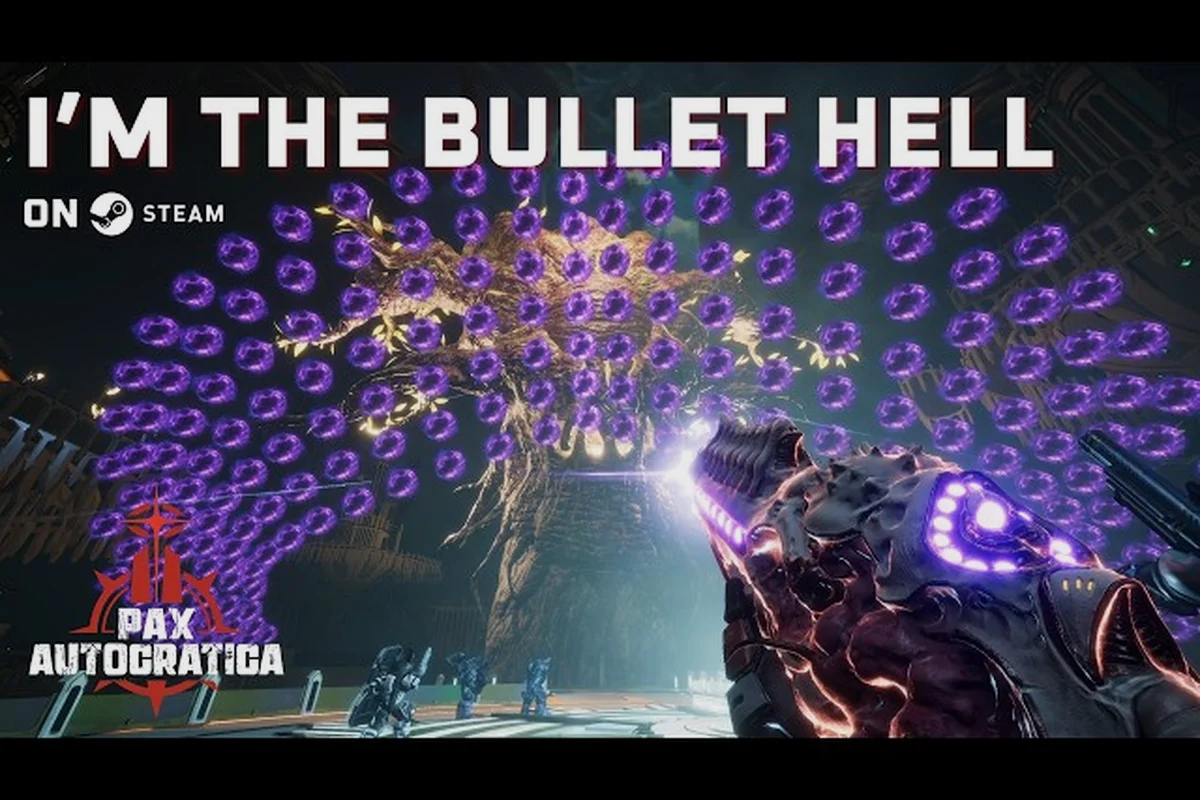
Core Fragments are the currency that powers every meaningful build decision in Pax Autocratica, yet most new players burn through them before understanding what they actually do. Because the game caps your inventory at 10 Core Fragments and ties unlock progression to a hidden codex, knowing how to get Core Fragments in Pax Autocratica determines whether you hit a progression wall or snowball into late-game dominance. This guide breaks down the acquisition rules, the fragment limit, and the codex system that governs your roguelite growth.
The official Pax Autocratica website confirms that Weapon Cores, Combination Cores, and Missile Cores define your build, and Core Fragments are the resource that unlocks, codexes, and upgrades them. If you have ever wondered why some runs feel dramatically stronger than others, the answer usually comes down to how efficiently you farmed and spent these fragments. Let's dig into the mechanics so you can plan your next run with confidence.
How Core Fragments Work in Pax Autocratica
Core Fragments serve as the universal upgrade currency in Pax Autocratica's roguelite progression loop. Unlike gold or materials that you spend on buildings and soldier gear, Core Fragments are exclusively tied to the core system — the passive modifiers that shape your weapon loadout, combination attacks, and missile strikes. Understanding how cores work in Pax Autocratica starts with recognizing that fragments are both a gate and a fuel: they unlock new core slots in the codex and they pay for the upgrades that make your build function.
Every time you complete a battle, capture a high-value target, or clear a yellow battle node, you earn fragments that feed directly into your core progression. The system is designed to reward aggressive play, because the best fragment sources are the hardest fights on the map. According to community reports, players who prioritize yellow battles over standard skirmishes consistently accumulate fragments at roughly double the rate of passive farmers.
Decoding the Fragment Codex Unlocks
The Core Fragment Codex is the master list that tracks which cores you have discovered and what level is required to unlock each one. This is not a simple inventory screen — it is a progression tree that gates your access to the most powerful cores in the game. Each core entry in the codex displays its unlock level, its rarity tier, and the fragment cost to activate it for your next run.
| Codex Entry | Unlock Level | Fragment Cost | Rarity |
|---|---|---|---|
| Basic Weapon Core | 1 | 5 | Common |
| Advanced Weapon Core | 5 | 15 | Uncommon |
| Combination Core | 8 | 25 | Rare |
| Missile Core | 12 | 40 | Epic |
| Red-Quality Core | 15 | 60 | Legendary |
The codex resets your discovered cores between runs, which is why the fragment economy feels so punishing early on. You are not just spending fragments — you are permanently unlocking knowledge that carries over to future runs. This is the core system explained in its simplest form: fragments buy permanent knowledge, and knowledge buys power.
How Fragments Drive Roguelite Progression
Pax Autocratica is a roguelite at heart, which means each run should make you stronger even when you fail. Core Fragments are the primary vehicle for that meta-progression because they persist across runs while your soldiers, buildings, and map progress reset. When you die or restart, you keep every fragment you earned, and you keep every codex entry you unlocked.
This creates a strategic loop where you must decide between spending fragments immediately for a short-term power spike or banking them to unlock a high-tier core for future runs. Veteran players report that the sweet spot is banking fragments until you hit the level 8 unlock threshold, because Combination Cores offer the biggest power-per-fragment ratio in the early game. If you spend everything on Common Weapon Cores, you will hit a wall around level 10 where your build simply cannot keep up with enemy scaling.
Where to Farm Core Fragments Efficiently
Now that you understand the codex mechanics, the next question is where to actually farm fragments without wasting hours on low-yield battles. The map is divided into standard battles, yellow battles, and special events, and each source has a different fragment yield per minute. According to the official demo update notes on Steam, the developers have tuned yellow battles specifically to drop red-quality Core Fragments, making them the single best farming target in the game.
| Fragment Source | Average Yield | Time Investment | Risk Level |
|---|---|---|---|
| Standard Battle | 2-4 fragments | 5-8 minutes | Low |
| Yellow Battle | 6-10 fragments | 10-15 minutes | High |
| Capture Pity System | 3-5 fragments | Varies | Medium |
| Event Nodes | 5-8 fragments | 8-12 minutes | Medium |
The capture pity system deserves special attention because it guarantees fragment drops after a certain number of failed capture attempts. This was added in a recent demo update based on player feedback, and it means you should never leave a high-value target alive if you have the resources to attempt a capture. Even failed captures contribute to your fragment income over time.
Yellow Battles and Red-Quality Drops
Yellow battles are the highest-risk, highest-reward content in Pax Autocratica, and they are the only reliable source of red-quality Core Fragments outside of late-game events. These battles feature elite enemy formations with enhanced stats, but the fragment payout justifies the difficulty. Community testing shows that a well-prepared build can clear yellow battles in under 10 minutes, yielding up to 10 fragments per run.
The key to farming yellow battles efficiently is building a loadout that counters the specific enemy composition on each node. If the enemy formation is heavy on melee units, prioritize Weapon Cores that boost ranged damage. If you are facing shielded enemies, Combination Cores that bypass armor become your best friend. This is where understanding core synergies transforms you from a casual farmer into a dedicated fragment hunter.
Event Nodes and Limited-Time Sources
Event nodes appear randomly on the map and offer fragment bonuses that standard battles cannot match. These events rotate on a timer, and the developers frequently adjust their rewards based on community feedback. The demo update notes mention that the team is actively tuning event rewards, so check the patch notes regularly to know which events are currently worth your time.
One important detail from the update notes is the "Ineffective" damage indicator that was added for attacks that are resisted. This visual feedback helps you identify when your current core build is underperforming against a specific enemy type, which means you can adjust your fragment spending mid-run instead of wasting resources on cores that do not work. Pay attention to this indicator during event nodes, because it tells you exactly which core upgrades will give you the best return on investment.
Core Fragment Limit and Inventory Management
The Core Fragment hold limit is 10, and this cap is one of the most misunderstood mechanics in Pax Autocratica. New players often hoard fragments thinking they are saving for a big purchase, only to realize that the game stops granting new fragments once you hit the cap. This means you are actively losing income every time you sit at 10 fragments without spending them.
The hold limit exists to force you into the codex system — you cannot stockpile fragments forever, so you must make meaningful upgrade decisions between every battle. This is the core fragment limit in action: it is not a punishment, but a design choice that keeps the roguelite loop tight and prevents you from trivializing late-game content with a massive fragment stockpile.
What Happens When You Hit the Cap
When your fragment count reaches 10, any additional fragment drops are lost unless you spend some immediately. The game does not warn you before this happens, so you need to check your inventory regularly during farming sessions. According to player reports, the most common mistake is finishing a yellow battle at 9 fragments, then losing the 10-fragment drop because the cap was hit mid-battle.
| Scenario | Fragment Outcome | Recommended Action |
|---|---|---|
| At 8 fragments, clear yellow battle | Gain 2, hit cap at 10 | Spend immediately on codex unlock |
| At 10 fragments, clear standard battle | Lose 2-4 fragments | Spend before farming more |
| At 9 fragments, capture a target | Gain 3, lose 2 to cap | Prioritize spending after capture |
| At 10 fragments, complete event node | Lose all event rewards | Never farm events at cap |
The solution is simple: spend fragments as soon as you hit 8 or 9, because the codex unlock costs are low enough that you can always afford something useful. Even if you are saving for a high-tier core, the fragment loss from hitting the cap will cost you more in the long run than spending on a temporary upgrade.
Strategic Spending to Avoid Waste
The best way to manage the fragment limit is to plan your spending around the codex unlock levels. If you know that Combination Cores unlock at level 8, you should aim to have exactly enough fragments to unlock them the moment you hit that level. This requires tracking your current level and your fragment count simultaneously, which is why experienced players keep a mental checklist of their progression goals.
A practical approach is to maintain a buffer of 5-7 fragments at all times, spending anything above that on codex unlocks or core upgrades. This buffer ensures you can always afford a meaningful purchase when you find a high-value battle, while minimizing the risk of losing fragments to the cap. Community data suggests that players who maintain this buffer complete their codex roughly 30% faster than those who hoard to 10 before spending.
Core Synergies and Best Core Combos
Once you understand the fragment economy, the real depth of Pax Autocratica opens up through core synergies. The best core combos are not just about stacking the highest rarity cores — they are about pairing cores that amplify each other's effects. According to the official website, Weapon Cores, Combination Cores, and Missile Cores each fill a different role, and the strongest builds combine all three types strategically.
| Core Combo | Primary Role | Synergy Effect | Best For |
|---|---|---|---|
| Weapon + Combination | Sustained DPS | Combination procs trigger weapon bonuses | Boss fights |
| Missile + Weapon | Burst damage | Missile strikes apply weapon debuffs | Elite clearing |
| Combination + Missile | AoE control | Combination chains reduce missile cooldown | Crowd control |
| Triple Core Setup | All-rounder | Balanced stats with flexible rotations | General content |
The triple core setup is the most popular build among veteran players because it adapts to any situation. You sacrifice raw power in any single category, but you gain the flexibility to switch tactics mid-battle without changing your loadout. This is particularly valuable in yellow battles where enemy compositions vary wildly between nodes.
Building Around Weapon Cores
Weapon Cores are the foundation of most builds because they directly modify your primary attack patterns. The best weapon cores in the current meta focus on piercing damage, attack speed, and elemental procs, with the Gratov Quantum Longbow being a standout example. The demo update notes confirm that this weapon now has piercing capabilities, which makes it significantly stronger against clustered enemy formations.
When building around Weapon Cores, you want to pair them with Combination Cores that trigger on-hit effects. This creates a feedback loop where your weapon attacks generate combination meter, and combination attacks refresh your weapon buffs. The result is a self-sustaining damage rotation that scales well into late-game content.
Sacrificial Cores and Risk-Reward Play
Sacrificial cores are a special category that trade durability or resources for massive power spikes. These cores are risky because they can leave you vulnerable if the fight drags on, but they offer the highest damage ceiling in the game. Community reports indicate that sacrificial cores are the key to speed-running yellow battles, because they let you burst down elite enemies before they can retaliate.
The trade-off is that sacrificial cores consume fragments to activate, which means they are not sustainable for long farming sessions. You should reserve them for boss fights or high-value yellow battles where the fragment payout justifies the risk. If you want to learn more about which sacrificial cores are worth the investment, check out our detailed breakdown of core effects and sacrificial options.
Routines That Maximize Fragment Income
Now that you know the mechanics, the limit, and the synergies, it is time to put together a complete farming strategy. The most effective approach combines map awareness, battle prioritization, and disciplined fragment spending into a single loop that maximizes your codex progression per hour.
Step-by-Step Farming Loop
Start each run by scanning the map for yellow battles and event nodes, then plan a route that hits as many high-yield sources as possible before your soldier stamina runs out. The demo update notes mention that soldiers now have an Aged status that reduces their movement speed and work attributes, so you need to factor soldier lifespan into your farming route.
-
Identify all yellow battles within your current territory range
-
Check event node timers to see if any are about to expire
-
Plan a route that avoids low-yield standard battles unless you need to fill gaps
-
Monitor your fragment count during the route and spend at 8-9 fragments
-
Prioritize capture attempts on high-value targets to trigger the pity system
The capture pity system is your best friend for consistent fragment income, because it guarantees drops even when your capture attempts fail. This means you should always attempt captures on elite enemies, even if your success chance is low — the pity meter builds toward a guaranteed reward.
Adjusting Your Strategy by Game Stage
Your farming strategy should evolve as you progress through the game. Early on, you should focus on unlocking a wide variety of cores in the codex, because this gives you more options for future runs. In the mid-game, shift toward upgrading your most-used cores to increase their effectiveness. Late-game, you should be hunting red-quality fragments exclusively, because those unlock the legendary cores that define top-tier builds.
| Game Stage | Fragment Priority | Core Focus | Battle Target |
|---|---|---|---|
| Early (Level 1-7) | Unlock new codex entries | Weapon Cores | Standard battles |
| Mid (Level 8-14) | Upgrade existing cores | Combination Cores | Yellow battles |
| Late (Level 15+) | Hunt red-quality drops | Missile Cores | Event nodes + elite hunts |
This progression mirrors the natural difficulty curve, and it ensures you always have the right tools for the content you are facing. If you need help deciding which cores to prioritize at each stage, our core build guide breaks down the tier list and rarity rankings in detail.
Common Mistakes That Waste Fragments
The most common mistake new players make is spending fragments on cores they never use. Because the codex shows you all available cores, it is tempting to unlock everything, but this spreads your progression too thin. Focus on one or two core types per run and unlock only the cores that fit your current build.
Another frequent error is ignoring the fragment cap during long farming sessions. Players get into a rhythm of clearing battles and forget to check their inventory, losing fragments to the cap without realizing it. Set a mental timer to check your fragment count every 15 minutes of farming, or after every yellow battle, whichever comes first.
Frequently Asked Questions
What is the fastest way to get Core Fragments in Pax Autocratica?
Yellow battles are the fastest source because they drop 6-10 fragments per clear and can drop red-quality fragments. Combine this with the capture pity system, which guarantees fragment rewards after failed capture attempts. Focus on building a loadout that counters the specific enemy composition of each yellow node to minimize clear time.
What is the Core Fragment hold limit in Pax Autocratica?
The hold limit is 10 Core Fragments. Once you reach this cap, any additional fragment drops are lost. You must spend fragments on codex unlocks or core upgrades to make room for new drops. Maintaining a buffer of 5-7 fragments is the recommended strategy to avoid wasting income.
How does the Core Fragment Codex work?
The Core Fragment Codex tracks which cores you have discovered and the unlock level required for each one. Spending fragments on codex entries permanently unlocks that core for future runs, which is how roguelite progression persists between runs. Higher-tier cores require higher character levels and more fragments to unlock.
Can I get red-quality Core Fragments from normal battles?
No, red-quality Core Fragments only drop from yellow battles and special event nodes. Standard battles cap out at uncommon rarity fragments. If you are hunting red-quality fragments, prioritize yellow battles on the map and check event node timers regularly, because these are the only reliable sources.
Should I spend fragments immediately or save them?
Spend fragments once you hit 8–9 to avoid wasting income at the 10-cap, but keep a 5–7 buffer while banking toward codex unlock thresholds. Prioritize yellow battles for drops, and never gamble on random cores—target specific unlocks instead. Plan your spending around the unlock thresholds you actually want.