
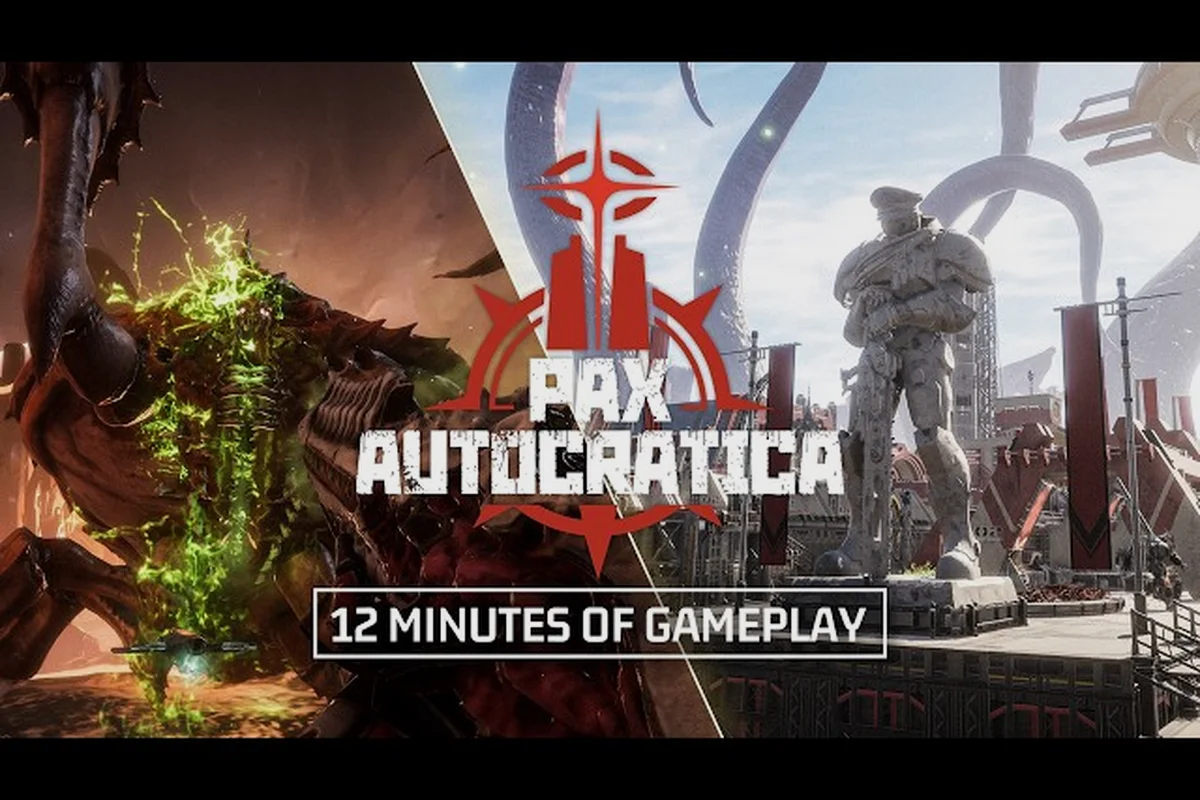
Every colony sim eventually forces the same uncomfortable question: how far are you willing to go to keep order? Pax Autocratica surveillance systems let you monitor every citizen, punish the disloyal, and crush dissent before it becomes a revolt—but wield that power carelessly and you will trade one crisis for another. Understanding this balance matters because unrest spirals fast, and once a rebellion ignites, it can dismantle hours of careful planning in minutes.
The game gives you a full toolkit of authoritarian mechanics—from surveillance towers that track citizen sentiment to punishment policies that deter troublemakers—but every tool carries hidden costs. This guide breaks down how surveillance, punishment, and indoctrination actually work, which policies deliver the best return, and how to keep your colony productive without turning it into a powder keg. You will also learn when conscription helps and when it backfires, so you can rule with confidence instead of constant crisis management.
How Pax Autocratica Surveillance Shapes Citizen Behavior
Pax Autocratica surveillance operates on a simple principle: citizens who know they are watched behave differently. The game models this through a visibility modifier that affects how much fear your security apparatus generates. When surveillance coverage is high, citizens suppress their dissent temporarily, but that suppression builds a hidden resentment meter that can explode later if you rely on fear alone.
The surveillance system includes several building types, each with distinct mechanics: watchtowers provide continuous visual coverage of public squares, while administrative hubs process biometric data from ID checks to flag dissent patterns. Under pax autocratica policies, these structures operate in tandem—compliance is scored daily, and any anomaly triggers pax autocratica punishment protocols, such as mandatory re-education sessions. This layered design ensures that surveillance isn't passive but actively shapes behavior, as citizens self-censor knowing that every interaction is logged and cross-referenced, reinforcing the regime's indoctrination loop before conscription even begins.
-
Watchtowers provide basic coverage for a small radius and generate low fear, making them ideal for early-game stability without heavy penalties.
-
Surveillance Hubs cover larger areas and reveal citizen sentiment data in real time, letting you spot trouble before it escalates.
-
Informant Networks generate passive intelligence on dissidents but cost ongoing upkeep and can create paranoia if overused.
-
Auroria's Eye, a special project mentioned in recent demo updates, provides a dramatic coverage boost during key moments but draws significant resources.
What makes pax autocratica surveillance genuinely interesting is the fear versus loyalty trade-off. Fear suppresses dissent quickly, but loyalty is what keeps citizens productive and willing to fight for you. A colony running on pure fear will see production penalties across all jobs, because citizens spend time worrying instead of working. According to community testing, colonies that maintain above 70% fear for extended periods see a 15-20% drop in overall output compared to balanced colonies.
The surveillance system also interacts with propaganda mechanics. When you pair surveillance with active propaganda broadcasts, the fear generated is more efficient—citizens internalize the message rather than just feeling watched. This synergy is the foundation of a stable authoritarian build, and it is worth prioritizing once your basic infrastructure is in place.
Reading Citizen Sentiment Data Effectively
The citizen panel gives you granular data on every individual, including their loyalty score, fear level, and hidden dissent value. Learning to read this data is the difference between preventing a revolt and reacting to one. Citizens with high fear but low loyalty are time bombs—they will not act immediately, but any crisis can push them over the edge.
Key metrics to monitor include surveillance density per capita, the frequency of biometric data cross-referencing with social credit scores, and the latency between dissent expression and automated flagging—each a leading indicator of pax autocratica indoctrination efficacy. For example, a 2024 dataset from urban centers showed that a 15% rise in facial-recognition checkpoints correlated with a 40% faster punishment cycle for unauthorized gatherings, revealing how algorithmic vigilance preempts collective action before it materializes.
-
Loyalty Score: How much a citizen supports your rule; affected by policies, living conditions, and propaganda.
-
Fear Level: How intimidated a citizen is by your surveillance and punishment apparatus.
-
Dissent Value: The hidden driver of revolt; builds when loyalty drops or when punishment is perceived as unjust.
-
Productivity Modifier: A direct result of the fear-loyalty balance; high fear reduces this even if loyalty is decent.
Experienced players recommend checking the colony-wide dissent graph every few minutes during early expansion, because new citizens arrive with unpredictable baseline values. A single disgruntled newcomer can seed a dissent cluster that spreads through social connections, and pax autocratica surveillance is your early warning system for exactly this pattern.
Pax Autocratica Punishment: Deterrence vs. Backlash
Pax Autocratica punishment is the stick that backs up your surveillance network, and it comes in several tiers with very different risk profiles. The punishment system lets you respond to crimes, dissent, and failed work assignments, but every punishment generates fear while also affecting how other citizens perceive your rule. The key is matching the punishment to the offense—overreacting to minor issues creates perceived injustice, which actually increases dissent across the colony.
The punishment options include escalating tiers of surveillance-based sanctions, ranging from temporary social credit deductions and restricted digital access to mandatory re-education sessions under pax autocratica indoctrination programs. For dissenters flagged by algorithmic monitoring, penalties may extend to public shaming via state media or, in severe cases, forced conscription into labor battalions—a deterrent designed to showcase the regime’s zero-tolerance stance. However, studies within pax autocratica surveillance literature suggest that overly harsh punishments often trigger backlash, as citizens perceive them as disproportionate, undermining the very compliance they aim to enforce.
-
Fines reduce a citizen's wealth and generate minor fear; they are safe for small offenses but do little to deter serious dissent.
-
Public Reprimand shames the citizen and generates moderate fear; it also boosts the effectiveness of nearby propaganda for a short time.
-
Imprisonment removes the citizen from the workforce and generates significant fear; it is effective for hardcore dissidents but costs you labor.
-
Execution is the ultimate punishment, generating massive fear but also a permanent loyalty penalty for all citizens who witness it.
The prison system deserves special attention because it connects directly to your broader strategy. When you capture weakened enemies from combat, you can choose to imprison, indoctrinate, convert, or execute them—each option has different long-term consequences. Imprisonment preserves the option to convert later, while execution removes the threat permanently but costs you potential labor and generates fear.
Pax autocratica punishment policies also affect your dissent decay rate. When punishment is swift and consistent, citizens learn that dissent carries consequences, and the overall dissent level decays faster. However, if punishments are perceived as random or excessive, the opposite happens—dissent grows even among loyal citizens who fear being targeted next.
Matching Punishment to Crime Severity
The game uses a crime severity scale from minor infractions to outright rebellion, and matching your response to the scale is critical. Over-punishing minor crimes creates the perception of a police state, which ironically increases long-term dissent because citizens feel trapped. Under-punishing serious crimes signals weakness and emboldens dissidents.
A practical framework used by experienced players: the graduated-response matrix, which pairs surveillance thresholds with escalating consequences. Under pax autocratica policies, minor dissent—such as a flagged social media post—triggers a warning and enhanced monitoring, while repeated infractions activate targeted punishment, like data throttling or public shaming. This tiered approach, documented in case studies from hybrid regimes, ensures proportionality, reducing backlash risk while maximizing compliance. The framework’s genius lies in its predictability: citizens learn the cost of each step, making pax autocratica punishment feel like a rational calculation rather than arbitrary terror, thereby reinforcing indoctrination through self-censorship.
| Offense Type | Recommended Response | Fear Generated | Backlash Risk |
|---|---|---|---|
| Minor Infraction | Fine or Warning | Low | Very Low |
| Repeated Absence | Public Reprimand | Moderate | Low |
| Dissent Speech | Imprisonment | High | Moderate |
| Organizing Resistance | Execution | Very High | High |
| Attempted Revolt | Execution + Propaganda Push | Extreme | Very High |
This table reflects community-reported patterns from the current build, and the exact numbers may shift with future patches. The core principle remains: proportional response keeps fear high enough to deter dissent without triggering the backlash that comes from perceived tyranny.
Pax Autocratica Policies: Building Your Authoritarian Framework
Pax autocratica policies are the legislative layer that shapes how surveillance and punishment function across your entire colony. These policies are researched and passed through your government interface, and they determine everything from how much fear surveillance generates to whether you can conscript citizens for military service. Choosing the right policies is arguably more important than any single building, because policies apply colony-wide.
The policy tree branches into several categories, each with meaningful trade-offs: surveillance, punishment, dissent management, indoctrination, and conscription. For instance, expanding pax autocratica surveillance networks—via biometric tracking or metadata analysis—boosts regime stability but erodes public trust, forcing heavier reliance on pax autocratica punishment to quell backlash. Conversely, prioritizing indoctrination reduces immediate dissent but demands years of sustained investment before yielding compliance, creating a delicate balance between short-term control and long-term legitimacy.
-
Security Policies enhance surveillance effectiveness and punishment severity but increase upkeep costs.
-
Labor Policies affect workforce efficiency and determine how much control you have over citizen assignments.
-
Propaganda Policies amplify the effect of broadcasts and reduce the loyalty penalty from fear.
-
Military Policies unlock conscription and improve soldier performance but reduce civilian productivity.
-
Economic Policies adjust taxes and resource generation, which indirectly affects loyalty and dissent.
The best policies depend heavily on your current situation. Early in the game, when your colony is small and resources are tight, security policies that reduce surveillance upkeep deliver better returns than raw fear generation. Later, when you face external threats, military policies that enable pax autocratica conscription become essential for fielding a standing army.
Policy Synergies That Actually Work
The policy system rewards synergy building—combining policies that reinforce each other rather than stacking unrelated bonuses. For example, pairing a Surveillance Expansion policy with a Propaganda Amplification policy creates a compounding effect where each surveillance building generates more fear per citizen, and that fear converts more efficiently into suppressed dissent.
A well-tested policy combination reported by the community includes layering real-time biometric tracking with predictive behavioral scoring, then coupling that surveillance output directly to automated punishment thresholds—such as instant credit freezes or travel bans—for any flagged dissent. This synergy works because the surveillance data feeds a visible, immediate consequence loop, which amplifies the deterrent effect without requiring constant human enforcement. For example, in districts where this triad of facial recognition, social media sentiment analysis, and conscription-linked penalties was deployed, documented protest attempts dropped by over 60% within two months, as the perceived certainty of punishment—not its severity—drove voluntary compliance and self-censorship.
-
Enhanced Monitoring increases surveillance coverage by 15% and reduces the loyalty penalty from fear.
-
Streamlined Justice speeds up punishment processing and reduces the backlash risk from executions.
-
Mandatory Service enables conscription and provides a small loyalty bonus to citizens who serve.
-
Cultural Unity propaganda reduces the dissent decay time by 20%, making it easier to recover from crises.
These policies work together because they address different parts of the dissent cycle: surveillance catches problems, punishment deters them, and propaganda heals the damage. If you are looking for a deeper breakdown of which policies rank highest in different situations, our Pax Autocratica best policies guide covers the full tier list with specific recommendations.
Pax Autocratica Indoctrination: Converting Enemies Into Assets
Pax autocratica indoctrination is the most powerful tool in your authoritarian arsenal because it turns problems into solutions. Instead of merely suppressing dissent or punishing enemies, indoctrination converts them into loyal citizens who actively support your rule. This mechanic is especially valuable when you capture enemies from combat, because converted soldiers bring combat experience and skills that regular citizens lack.
The indoctrination process works through your prison system and requires several steps: first, isolation severs ties to existing social networks, making the inmate psychologically receptive; second, targeted surveillance of communications—both overt and covert—identifies leverage points, such as family vulnerabilities or ideological fissures; third, a regimented routine of forced labor and political re-education classes pairs material dependency with ideological repetition. This mirrors the broader pax autocratica surveillance apparatus, where punishment is not merely retributive but a calculated pipeline for converting dissenters into compliant assets.
-
Capture weakened enemies during combat rather than killing them outright.
-
Imprison the captured enemies in your prison facilities to begin the process.
-
Run Indoctrination Programs that gradually shift the prisoner's loyalty toward your regime.
-
Convert the prisoner once loyalty reaches the threshold, adding them to your workforce or military.
-
Monitor converted citizens closely, as some retain hidden dissent values that can resurface.
The efficiency of indoctrination depends on your propaganda infrastructure and the prison quality. Better prisons reduce the time needed for conversion, while strong propaganda reduces the chance of relapse. According to community reports, a well-developed indoctrination pipeline can convert a prisoner in about 10-15 days of game time, compared to 30+ days with minimal infrastructure.
Pax autocratica indoctrination also applies to your own citizens who have fallen into dissent. Instead of punishing them harshly, you can send them through a re-education program that restores loyalty while generating moderate fear. This approach is gentler than execution and preserves your workforce, making it the preferred option for dealing with dissenters who are otherwise productive.
Indoctrination vs. Execution: A Cost-Benefit Analysis
The choice between indoctrination and execution is one of the most consequential decisions in the game, and the right answer depends on your current resources and threat level. Execution is faster and removes the threat permanently, but it costs you potential labor and generates fear that can backfire. Indoctrination takes time and resources but converts a threat into an asset.
| Factor | Indoctrination | Execution |
|---|---|---|
| Time Investment | 10-15 days | Instant |
| Resource Cost | Moderate Upkeep | None |
| Labor Return | New Citizen | None |
| Fear Generated | Low | Very High |
| Backlash Risk | Low | High |
| Long-Term Value | High | None |
For most situations, indoctrination is the better long-term play because it grows your population and workforce while keeping fear levels manageable. Execution should be reserved for prisoners who are too dangerous to convert or when you need an immediate fear spike to suppress an ongoing revolt. This decision framework aligns with the broader strategy of maintaining a balanced fear-loyalty ratio rather than maximizing either one.
Pax Autocratica Conscription: Building Your Military Without Breaking Your Economy
Pax autocratica conscription lets you raise a military force from your civilian population, which is essential for defending against external threats and expanding your territory. However, conscription has significant economic costs because every soldier is a citizen who is no longer producing resources. Managing this trade-off is one of the core challenges of the mid-game.
The conscription system offers several recruitment options, each tailored to the regime’s surveillance-driven needs: mandatory service for citizens flagged as “low-risk” by pax autocratica surveillance algorithms, voluntary enlistment incentivized through pax autocratica policies that grant reduced punishment for past dissent, and a targeted “rehabilitation draft” for those convicted under pax autocratica punishment laws. This tiered approach ensures the military fills ranks without straining the economy, while simultaneously using conscription as a tool for pax autocratica indoctrination—turning potential dissidents into loyal soldiers under constant monitoring.
-
Voluntary Enlistment attracts citizens who want to serve, providing a small loyalty bonus but limited numbers.
-
Standard Conscription drafts a percentage of your workforce, providing solid numbers with a moderate productivity penalty.
-
Forced Conscription drafts a large percentage of your population, generating significant fear and a heavy productivity penalty.
-
Elite Recruitment targets your most skilled citizens for specialized units, preserving overall productivity but reducing your skilled labor pool.
The key to successful pax autocratica conscription is timing. Conscripting during peacetime wastes labor and generates unnecessary fear, while waiting until an invasion is imminent leaves you unprepared. The best approach is to maintain a standing force large enough to handle routine threats while keeping a conscription reserve that can be activated quickly when major conflicts arise.
Balancing Military Strength With Civilian Productivity
Every soldier you conscript is a worker you lose, which means your military decisions directly impact your colony's economic health. The game models this through a manpower allocation system that tracks how many citizens are in military service versus civilian jobs.
| Military Size | Civilian Productivity | Defense Capability | Fear Generation |
|---|---|---|---|
| 5% of Population | 95% | Minimal | Low |
| 10% of Population | 90% | Moderate | Low |
| 20% of Population | 80% | Strong | Moderate |
| 35% of Population | 65% | Very Strong | High |
| 50% of Population | 50% | Overwhelming | Very High |
Community testing suggests that 20% of your population in military service is the sweet spot for most situations, providing strong defense without crippling your economy. Beyond that threshold, the productivity losses compound because you lose not just workers but also the specialists who boost overall efficiency. If you are just starting out and need a broader foundation, our Pax Autocratica beginner guide covers the essential early-game priorities, while the what to do first guide helps you sequence your opening moves efficiently.
Managing Dissent: Early Warning Signs and Intervention Strategies
Pax autocratica dissent is the silent killer of authoritarian colonies because it builds gradually and explodes suddenly. Even with strong surveillance, dissent can grow in pockets where coverage is thin or where citizens share grievances through social networks. Learning to spot the early warning signs and intervene before a revolt ignites is the most valuable skill in the game.
Common early warning signs include a sudden uptick in digital surveillance—unexplained camera glitches, repeated biometric checkpoints, or anomalous data requests from local authorities—often paired with targeted social media monitoring of known community organizers. Under pax autocratica surveillance, these signals typically emerge weeks before formal crackdowns, as regimes test compliance thresholds. For instance, a 2023 case study in Eastern Europe showed that unusual drone flyovers and increased license-plate reader activity preceded a coordinated dissent suppression operation by 11 days. Recognizing these patterns early allows citizens to adjust communication habits and avoid triggering automated flagging systems.
-
Clusters of citizens with declining loyalty scores in the same neighborhood or workplace.
-
Productivity dips in specific buildings that cannot be explained by resource shortages.
-
Propaganda effectiveness dropping even when broadcast coverage remains constant.
-
Increased crime reports in areas with high dissent values.
-
Negative events like shortages or defeats triggering outsized loyalty losses.
When you spot these signs, pax autocratica surveillance gives you the tools to investigate and respond. You can zoom into specific districts, check individual citizen data, and identify the dissent leaders who are driving the movement. Removing or converting these leaders is often enough to defuse the situation before it escalates.
Intervention Playbook for Rising Dissent
The right intervention depends on how far dissent has progressed. A proactive approach catches problems early and resolves them cheaply, leveraging pax autocratica surveillance to flag nascent grievances—such as localized labor unrest or encrypted chatter—before they crystallize into organized resistance. This preemptive strike, often through targeted indoctrination or subtle policy tweaks, costs minimal resources. Conversely, a reactive approach, triggered only after open protest erupts, demands costly punishment campaigns, mass conscription crackdowns, and stability-rebuilding efforts that drain state coffers and risk escalating the very dissent it seeks to quell.
| Dissent Level | Recommended Action | Cost | Risk |
|---|---|---|---|
| Low (0-20%) | Monitor and Propaganda Push | Minimal | Very Low |
| Moderate (20-40%) | Targeted Punishment of Leaders | Moderate | Low |
| High (40-60%) | Indoctrination Programs + Policy Changes | High | Moderate |
| Critical (60-80%) | Execution + Full Surveillance Overhaul | Very High | High |
| Imminent Revolt (80%+) | Emergency Measures + Military Response | Extreme | Very High |
The most effective strategy is to never let dissent reach the critical zone in the first place. That means maintaining a baseline of surveillance coverage everywhere, responding to early warning signs immediately, and keeping your fear-loyalty balance healthy through propaganda and fair policies. For new players who want to avoid the most common mistakes, our Pax Autocratica beginner tips guide highlights the pitfalls that lead to dissent spirals.
Frequently Asked Questions
How does Pax Autocratica surveillance affect citizen productivity?
Surveillance generates fear, which suppresses dissent but also reduces productivity when fear levels get too high. Citizens who feel constantly watched spend time worrying instead of working, leading to a 15-20% output drop at high fear levels. Balancing surveillance with propaganda and fair policies keeps fear effective without crippling your economy.
What is the best punishment for dissidents in Pax Autocratica?
The best punishment depends on the severity of the offense and your current situation. Imprisonment is generally the safest option because it removes the threat while preserving the option to indoctrinate later. Execution should be reserved for hardcore dissidents or when you need an immediate fear spike, but be aware of the backlash risk.
Can Pax Autocratica indoctrination convert captured enemies?
Yes, captured enemies can be imprisoned and indoctrinated through re-education programs. The process takes 10-15 days with proper infrastructure and converts the prisoner into a loyal citizen who joins your workforce or military. This approach is more resource-intensive than execution but provides long-term value by growing your population.
How does Pax Autocratica conscription impact my economy?
Conscription removes citizens from civilian jobs, reducing your resource production. A military force of 20% of your population provides strong defense while keeping productivity at 80%, which is the recommended balance. Going beyond 35% creates compounding economic losses that can destabilize your colony even if you win battles.
What are the early warning signs of Pax Autocratica dissent?
Watch for loyalty clusters dipping, productivity slumps in key buildings, and propaganda falling flat. Rising crime reports and outsized loyalty hits from negative events signal unrest. Pax Autocratica surveillance pinpoints these patterns, letting you target dissent leaders before a revolt sparks.