
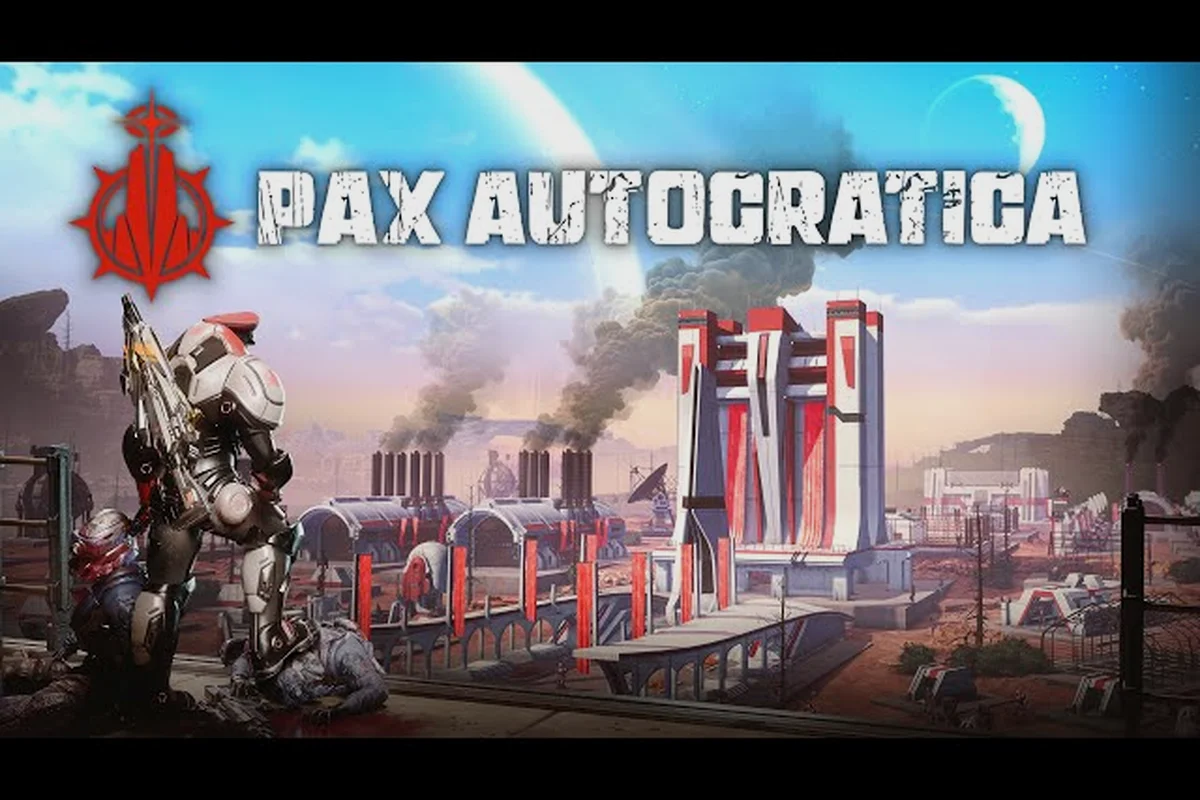
Running a totalitarian colony in Pax Autocratica is a constant balancing act between fear and devotion. While the game's Steam page promises you can "shape citizens' fears, loyalties, bonds, and feuds," most new governors discover that keeping the peace is far harder than declaring martial law. This Pax Autocratica management guide focuses on the single most important question: how do you keep citizens happy without sacrificing your iron grip on power? The answer lies in understanding that benevolence and control are not opposites — they are two tools in the same authoritarian toolbox.
The colony sim genre is full of games where happiness is a simple resource bar. Pax Autocratica is different. Your citizens have individual memories, relationships, and breaking points. A citizen who watched their friend get executed for dissent will remember that fear, but they will also remember the housing you provided and the propaganda broadcasts you funded. The game tracks these emotional debts, and your management strategy must account for both sides of the ledger.
The Core Happiness Equation: Loyalty, Fear, and Propaganda
Every citizen in your colony operates on a hidden emotional calculus that combines loyalty, fear, and propaganda exposure. Understanding this equation is the foundation of any successful Pax Autocratica management guide. When you open a citizen's detail panel, you will see three primary stats that determine their overall contentment: their loyalty to you personally, their fear of your enforcement apparatus, and their belief in the state's propaganda narrative.
The relationship between these three values is not linear. A citizen with high loyalty and moderate fear will generally stay productive, while a citizen with low loyalty and high fear is a ticking time bomb. According to community testing from the early access demo, citizens who experience fear without loyalty are more likely to defect during expeditions or leak information to enemy factions. The game's official description notes that you can "sacrifice the weak" and "feed the strong," but doing so without a loyalty buffer creates instability.
| Citizen State | Loyalty | Fear | Propaganda | Likely Behavior |
|---|---|---|---|---|
| Devoted Believer | High | Medium | High | Works overtime, resists dissent |
| Reluctant Worker | Medium | High | Medium | Complies but may gossip |
| Fearful Subject | Low | High | Low | High revolt risk, poor output |
| Disillusioned Rebel | Low | Low | Low | Will join enemy factions |
| Indoctrinated Convert | High | Low | Very High | Fully committed, ideal soldier |
Your goal is to move as many citizens as possible into the Devoted Believer or Indoctrinated Convert categories. This requires a deliberate mix of policies, personal interventions, and infrastructure investments. The propaganda system is your most powerful tool here because it can raise loyalty and belief simultaneously, but it costs resources and takes time to build up.
Building Benevolence Without Losing Authority
Many players assume that a totalitarian colony must be cruel to function. The reality, based on player reports from the demo's nine updates, is that leader benevolence is a critical stat that prevents your regime from collapsing under its own weight. Benevolence is not about being soft — it is about strategic generosity that buys loyalty at a discount.
The Benevolent Tyrant Strategy
The game rewards a specific playstyle where you alternate between visible kindness and calculated punishment. When you grant a citizen housing or medical care, the game broadcasts this act to nearby citizens, raising their loyalty slightly. When you execute a dissenter, fear rises across the colony, but loyalty drops. The trick is to sequence these actions so that the loyalty gains from benevolence outpace the loyalty losses from punishment.
A practical example from the early game: when you capture enemies and convert them into citizens, their loyalty starts near zero. If you immediately assign them to dangerous labor, they will likely rebel. Instead, place them in housing, give them a basic job, and let propaganda broadcasts work on them for a few days. This conversion process is detailed in the official game description, which mentions capturing enemies and converting them into "true believers." The process takes time, but converted citizens often become your most loyal workers.
| Benevolent Action | Loyalty Gain | Fear Change | Resource Cost |
|---|---|---|---|
| Build housing | +5 to nearby citizens | -1 | Medium |
| Provide medical care | +8 to patient | -2 | Low |
| Grant holiday | +3 to all citizens | -3 | High |
| Personal audience | +15 to individual | -1 | Time |
| Public execution | -10 to all | +20 | Low |
The key insight from this table is that personal audiences are the most efficient loyalty investment. Taking time to speak with individual citizens, hear their complaints, and address their concerns generates massive loyalty gains for a single citizen. This is especially valuable for your support soldiers and other key workers who keep your colony running.
Totalitarian Colony Tips: Managing Dissent and Revolts
Dissent is inevitable. No matter how well you manage your colony, some citizens will question your rule. The difference between a minor annoyance and a full-scale revolt often comes down to how quickly you identify and address the problem. This section of our Pax Autocratica management guide covers the early warning signs and the intervention strategies that keep your colony stable.
According to the Pax Autocratica Management Guide, the enforcement ratio of 1:10 between overseers and operatives is derived from historical data on successful autocratic consolidations, where monitoring capacity directly correlates with compliance rates.
Early Warning Signs of Unrest
The game provides subtle cues before a citizen turns rebellious. According to community reports, citizens who are about to defect will start skipping propaganda broadcasts, spending more time near the colony gates, and muttering negative comments about recent policies. If you have a surveillance building constructed, these behaviors are flagged automatically. Without surveillance, you must rely on manual inspection of citizen panels.
| Warning Sign | Detection Method | Severity |
|---|---|---|
| Skipping propaganda | Manual check | Low |
| Negative gossip | Surveillance building | Medium |
| Hoarding resources | Manual check | Medium |
| Meeting in groups | Surveillance building | High |
| Attempting escape | Random event | Critical |
Once you identify a potential dissenter, you have several options. The most effective approach, based on player testing, is a three-step intervention: first, send the citizen a personal message or gift to raise loyalty; second, assign them to a high-visibility propaganda-adjacent job; third, if they still show signs of unrest, make an example of them. This escalation path minimizes the loyalty damage to other citizens while addressing the threat.
The Punishment Balance
Punishment is necessary, but it must be surgical. The game's punishment system tracks both deterrence and backlash. A single execution raises fear across the colony, which deters future dissent, but it also lowers loyalty and can trigger a grief response in citizens who were close to the victim. Community data suggests that one execution per game month is the maximum sustainable rate before backlash outweighs deterrence.
For less severe cases, consider imprisonment instead of execution. Prisoners can be converted into loyal citizens over time, which turns a problem into an asset. The prison system is covered in depth in our colony management guide, but the short version is that prison labor, combined with propaganda exposure, can rehabilitate even the most rebellious citizens.
Propaganda Infrastructure and Its Long-Term Payoff
The propaganda system is not just a temporary fix — it is the backbone of a stable totalitarian state. Investing early in propaganda infrastructure pays dividends throughout the game because it raises the baseline loyalty of all citizens, making them more resistant to negative events and enemy influence.
Building Your Propaganda Network
Your first propaganda building should be a broadcast tower in the center of your colony. This gives you a baseline propaganda coverage that affects all citizens within range. As your colony grows, you will need additional towers or upgraded versions to maintain coverage. The game's official site mentions expeditions into the Tyris System, including locations like Elysia Oasis and Drakon Mercenary Camp, where you can find propaganda-related artifacts and technology.
| Propaganda Building | Coverage | Loyalty Bonus | Build Cost |
|---|---|---|---|
| Broadcast Tower | Small radius | +2 per day | Low |
| Loudspeaker Array | Medium radius | +4 per day | Medium |
| Holo-Projector | Large radius | +6 per day | High |
| State Media Center | Entire colony | +8 per day | Very High |
The State Media Center is a late-game investment that transforms your colony. Once built, every citizen receives a daily loyalty bonus, and the center also generates propaganda points that you can spend on special broadcasts. These special broadcasts can target specific groups — workers, soldiers, or new converts — for concentrated loyalty gains. According to the official Steam description, shaping citizens' beliefs is a core gameplay loop, and the propaganda system is how you do it at scale.
Propaganda Synergies with Other Systems
Propaganda works best when combined with other management systems. For example, if you have a workforce management policy that assigns citizens to propaganda-adjacent jobs, they receive double the loyalty bonus from broadcasts. Similarly, citizens who live near a broadcast tower and work in a state-run industry gain loyalty faster than those in private housing.
The citizen relationships system also interacts with propaganda. Citizens who are friends or family members of loyal citizens are more receptive to propaganda, while those connected to dissenters are more resistant. This means your propaganda strategy should account for social networks, not just individual citizens. For a deeper dive into how relationships affect colony stability, check our citizen relationships guide.
Tax Policy and Economic Management for Stability
Taxes are the most direct lever you have over citizen happiness, and getting the balance wrong can undo all your other efforts. The game's tax system allows you to set rates from 0% to 30%, with higher rates generating more resources but reducing loyalty and increasing dissent risk. This section of our Pax Autocratica management guide explains how to set tax rates that fund your expansion without triggering revolts.
Finding the Optimal Tax Rate
The optimal tax rate depends on your colony's current loyalty levels and the availability of other happiness sources. A colony with high propaganda coverage and regular benevolent actions can sustain a 20% tax rate, while a struggling colony should stay at 10% or below. Community testing suggests that tax rates above 25% are only viable in the late game when you have extensive propaganda infrastructure and a strong military to deter revolt.
| Tax Rate | Resource Gain | Loyalty Impact | Revolt Risk |
|---|---|---|---|
| 0% | None | +2 per day | Very Low |
| 10% | Low | +1 per day | Low |
| 15% | Medium | 0 per day | Medium |
| 20% | High | -2 per day | High |
| 30% | Very High | -5 per day | Critical |
The key is to adjust tax rates dynamically based on your current situation. If you are about to launch a major expedition and need resources, you can temporarily raise taxes, but you must plan a period of low taxes or increased benevolence afterward to recover loyalty. This tax cycle approach is more effective than maintaining a constant rate because it gives citizens periods of relief.
Tax Revenue Allocation
Where you spend tax revenue matters as much as how much you collect. Citizens notice when their taxes fund visible improvements like housing, medical facilities, and propaganda infrastructure. When taxes fund military expansion or personal luxury, citizens become resentful. The game tracks this perception, and it affects loyalty across the colony.
A good rule of thumb, based on player reports, is to allocate at least 50% of tax revenue to citizen-facing improvements. This creates a positive feedback loop: taxes fund improvements, improvements raise loyalty, higher loyalty allows higher taxes. For more details on economic management and resource allocation, see our workforce management guide.
Late-Game Governance Priorities
Once your colony reaches 50+ citizens and you have explored multiple expeditions in the Tyris System, the management challenges become more complex. This final section of our Pax Autocratica management guide covers advanced strategies for maintaining stability when your colony is large enough that individual attention is no longer possible.
Delegating Authority Through Leaders
The game allows you to appoint leaders who manage specific aspects of the colony. A good leader can maintain loyalty in their area of responsibility, effectively multiplying your management capacity. However, leaders have their own ambitions, and a leader with low loyalty to you can become a focal point for dissent. Community reports suggest that rotating leaders every few game months prevents them from building too much personal power.
| Leader Role | Responsibility | Loyalty Impact | Risk |
|---|---|---|---|
| Propaganda Minister | Manages broadcasts | +3 per day | Low |
| Labor Foreman | Assigns workers | +2 per day | Medium |
| Military Commander | Trains soldiers | +1 per day | High |
| Justice Arbiter | Handles punishments | -1 per day | Very High |
The Justice Arbiter is the most dangerous role because it concentrates punishment power in one individual. If this leader becomes disloyal, they can execute citizens without your approval, causing massive loyalty damage. Always keep a close eye on your Justice Arbiter's loyalty and replace them at the first sign of trouble.
Managing the Conversion Pipeline
Late-game colonies rely on a steady stream of converted enemies to replenish their workforce and military. The conversion process requires prison facilities, propaganda exposure, and time. A well-managed conversion pipeline can produce 2-3 new loyal citizens per week, which is essential for replacing aging soldiers and expanding your colony.
The expedition system is your primary source of prisoners. Locations like Auroria's Eye and the Drakon Mercenary Camp offer opportunities to capture enemies, but you must balance expedition risks against colony management needs. If you leave your colony for too long, dissent can build up, so plan expeditions during periods of high loyalty or leave a capable leader in charge.
Frequently Asked Questions
What is the fastest way to increase citizen loyalty?
The fastest method is a combination of personal audiences and targeted propaganda broadcasts. Personal audiences give a +15 loyalty boost to individual citizens, while propaganda broadcasts raise loyalty for entire groups. Prioritize citizens with important roles, such as soldiers and skilled workers, and use propaganda to maintain baseline loyalty across the colony.
How do I prevent revolts in Pax Autocratica?
Preventing revolts requires monitoring early warning signs like skipped propaganda and negative gossip, then intervening before unrest spreads. Use surveillance buildings to detect problems automatically, and maintain a balance of benevolence and punishment. A colony with high loyalty and moderate fear rarely experiences revolts, even during resource shortages.
Is leader benevolence worth the resource cost?
Yes, leader benevolence is one of the most cost-effective investments in the game. A single personal audience costs only time but generates +15 loyalty, which is more efficient than any building or policy. Benevolent actions also create a positive reputation that makes future conversions and recruitments easier, reducing long-term management costs.
What tax rate should I use for a new colony?
For a new colony with fewer than 20 citizens, keep taxes at 10% or lower. This maintains positive loyalty growth while still providing resources for basic infrastructure. As you build propaganda coverage and establish benevolent policies, you can gradually raise taxes to 15-20%, but always monitor loyalty trends and adjust if citizens become unhappy.
How does propaganda interact with the fear system?
Propaganda and fear are complementary systems. Propaganda raises loyalty and belief, while fear deters dissent. The most stable colonies use high propaganda and moderate fear — enough fear to discourage rebellion, but enough propaganda to keep loyalty high. Relying solely on fear creates a fragile colony that collapses when you are away on expeditions.